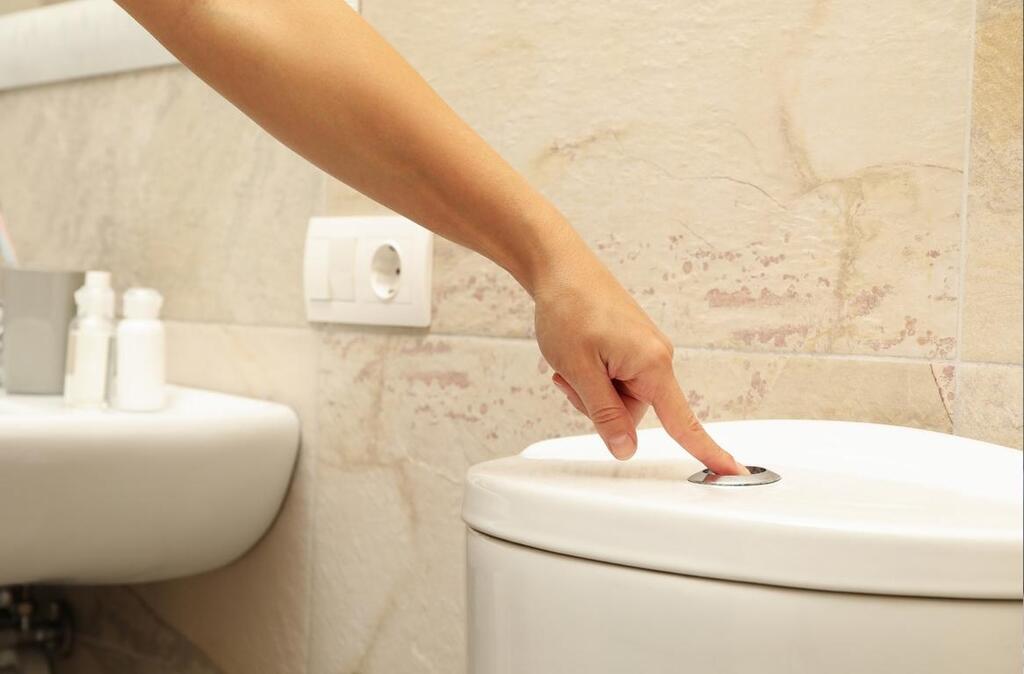
Why Is Your Push Button Toilet Still Running? (And How to Fix It)
Can you hear your toilet trickling long after you've flushed? A push button toilet that keeps running is a common plumbing problem. At Normz Plumbing & Heating Services, we help homeowners identify and resolve toilet faults, including problems with single-button and dual-flush cisterns.
The cause may be a worn or misaligned flush valve seal, a faulty fill valve, an incorrectly adjusted float or a button mechanism that isn't returning properly. Identifying where the water is going helps you narrow down the fault before attempting a repair.
A leaking toilet can waste hundreds of litres of water a day, depending on the severity of the leak. This can increase water bills for households on a water meter. This guide explains how to diagnose common faults, which checks you may be able to carry out safely yourself, and when to call a professional plumber. It covers homes across Northamptonshire, including Wellingborough, Rushden, Kettering and Corby.
First, Work Out Where the Water Is Going
Before dismantling anything, observe what happens after you flush. Where the water is going, whether the cistern stops filling and whether the buttons return fully can help identify the likely cause. These checks indicate where to investigate, although they cannot always confirm which component has failed.
| What you notice | Likely cause | What to check |
|---|---|---|
| Water trickles into the toilet bowl continuously | Flush valve seal not closing properly, a misaligned outlet valve or a button mechanism holding the valve open | Check that the buttons return fully. If the mechanism is accessible, inspect the seal and valve seating for dirt, limescale or damage. |
| Water continues flowing into the overflow and down into the bowl | Fill valve not shutting off properly, float incorrectly adjusted or water level set too high | Check the water level and whether the fill valve shuts off. Adjust or replace components as appropriate for the valve design. |
| The toilet refills by itself every few minutes without being flushed | A slow leak from the cistern into the bowl, often through the flush valve seal | Carry out a dye test to check for water leaking into the bowl. |
| A button feels sticky or remains pressed down | Button assembly, linkage or cable sticking or incorrectly adjusted | Check that the buttons move freely and return fully. Follow the manufacturer's instructions before adjusting the mechanism. |
| The cistern continues filling after a flush | Fill valve or float fault, debris in the inlet valve or a water level that is too high | Check whether the water reaches the intended level and the fill valve shuts off correctly. |
What You'll Need
- A torch
- A small bucket and sponge or towel
- Rubber gloves
- A flathead screwdriver, if required by the mechanism
- A compatible replacement seal or valve, if needed
Do not buy replacement parts until you have identified the cistern or valve type. If the water supply cannot be isolated safely, or the cistern is concealed and difficult to access, contact a plumber.
Step-by-Step: Fix a Running Push Button Toilet
Remove the Buttons and Open the Cistern Carefully
Many close-coupled toilets have a removable cistern lid secured or obstructed by the flush button assembly. The removal method varies between manufacturers and models.
- Look for the manufacturer's name or model information, if available.
- Check the manufacturer's instructions to establish whether the buttons need to be unscrewed, unclipped or released in another way.
- Remove the button assembly only as instructed, then lift the ceramic lid carefully and place it on a stable, protected surface.
Do not force the button surround or twist it unless the manufacturer's instructions specify that method. Ceramic lids can crack if dropped or put under pressure. Concealed cisterns and wall-mounted flush panels may require a different access procedure.
Check the Water Level and Fill Valve
With the cistern accessible, observe the water level as it fills after a flush. If the water rises too high or continues entering the overflow, the fill valve, float adjustment or shut-off mechanism may be at fault.
- Float-cup fill valve: check that the float moves freely. Adjust its position only as directed by the manufacturer.
- Adjustable fill valve: use the designated adjustment mechanism to set the correct water level.
- Water level appears normal: if water is still trickling into the bowl, investigate a possible flush valve or seal leak instead.
After any adjustment, allow the cistern to refill and check that the fill valve shuts off at the correct level without water continuing into the overflow.
Check the Push Button Mechanism
The push button operates the flush valve through a mechanism that may use rods, levers or cables, depending on the toilet design. If the mechanism is sticking or incorrectly adjusted, it can prevent the flush valve from closing completely.
- Check that the button moves freely and returns to its resting position.
- Look for a rod or cable that is snagged, disconnected or placing pressure on the flush valve when the button is released.
- On a dual-flush toilet, test both buttons individually and check that each returns fully.
Adjust the mechanism only in accordance with the manufacturer's instructions. If the buttons return normally and the toilet continues running, check the flush valve and fill valve for other faults.
Clean or Replace the Flush Valve Seal
If water is leaking from the cistern into the toilet bowl, the flush valve seal or the valve assembly may not be closing properly. Dirt, limescale, wear or misalignment can prevent a watertight seal.
- Isolate the water supply. Close the cistern's isolation valve if fitted and accessible. Use the main stop tap only if necessary and you know how to operate it safely. If the supply cannot be shut off, contact a plumber.
- Flush the toilet to empty the cistern as far as possible, then use a sponge or towel to remove the remaining water.
- Identify the flush valve's retaining mechanism. Some valves twist to release, while others use clips or different fittings. Follow the manufacturer's removal instructions rather than forcing the assembly.
- Inspect the rubber seal and the surface it sits against. If accessible, clean away dirt or light deposits using a soft cloth and a method suitable for the component.
- If the seal is cracked, distorted, hardened or badly worn, replace it with a compatible part. If the valve body or seating surface is damaged, the complete assembly may need replacing.
- Refit the components correctly, restore the water supply and check that the cistern fills and the toilet stops running.
Inspect the Fill Valve if the Cistern Won't Stop Filling
If water continues entering the cistern or flowing into the overflow, the fill valve or its float mechanism may be faulty. A damaged valve, trapped debris or an incorrect water-level setting can prevent the supply from shutting off properly.
- Isolate the water supply before attempting any maintenance.
- Check that the float moves freely and is not obstructed by another component.
- Clean or dismantle the fill valve only if the manufacturer's instructions permit it. Some designs require a specific procedure or replacement parts.
- If the valve is damaged, continues to leak or will not shut off after the recommended checks, replace it with a compatible unit or ask a plumber to do so.
Replacing a fill valve can be straightforward on some toilets, but the time required depends on access, the fittings and the valve design.
Restore the Water Supply and Test for Leaks
- Restore the water supply slowly and allow the cistern to refill.
- Check the supply connection and any fittings disturbed during the repair for signs of leakage.
- Flush the toilet several times and confirm that the buttons operate correctly, the cistern refills and the water stops running.
- Check that water is not continuing to trickle into the bowl or flow through the overflow.
- Once everything is working correctly, refit the lid and button assembly according to the manufacturer's instructions.
Avoid overtightening plastic fittings or cistern fixings, as excessive force can damage components or ceramic. Follow the manufacturer's tightening instructions and check for leaks again after use.
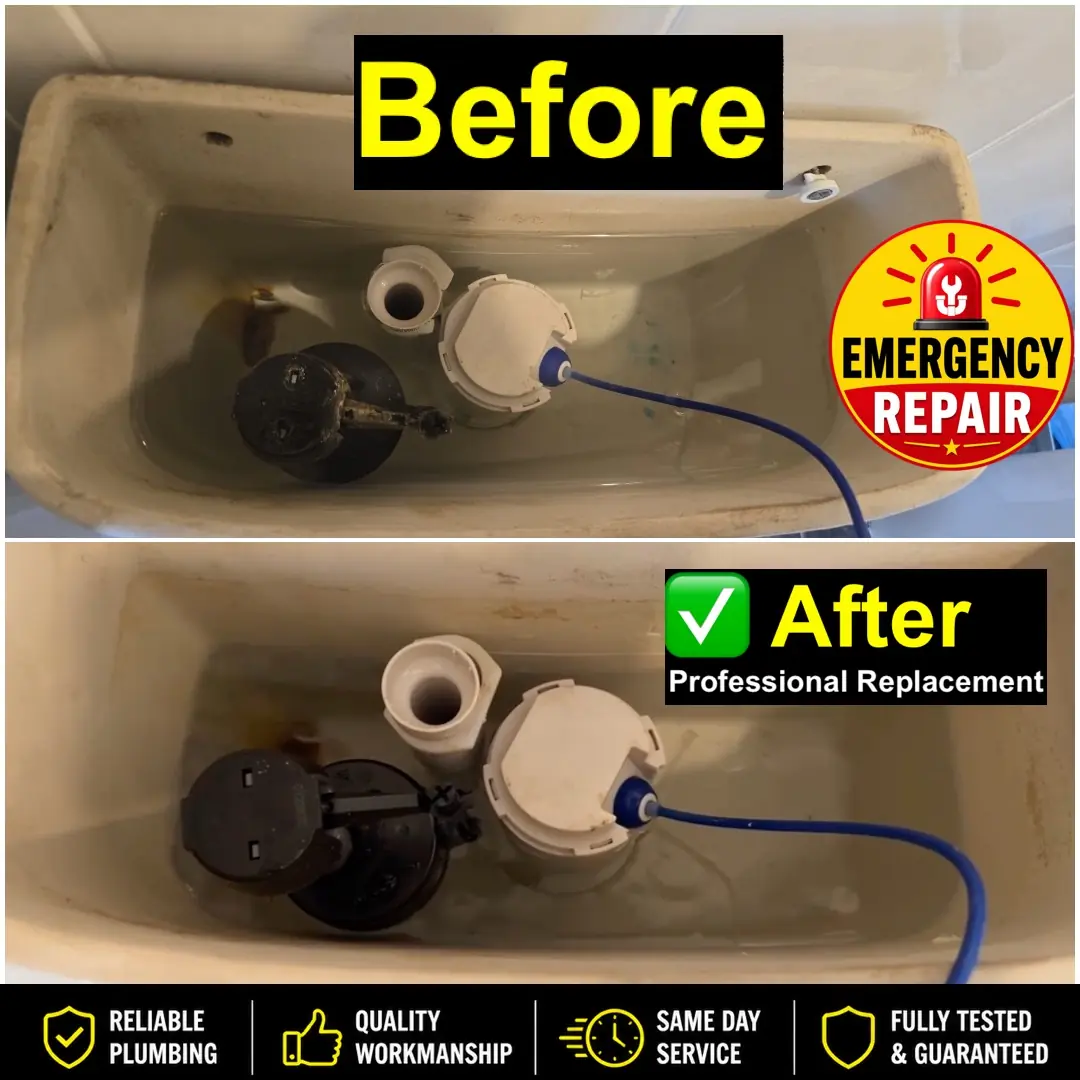
Our Previous Toilet Flush Repairs


When a DIY Fix Isn't Enough
Some running toilet faults can be resolved with a simple adjustment, but others require the correct replacement parts or more involved dismantling. Contact a professional plumber if:
- The toilet continues running after the accessible components have been checked.
- You cannot identify the flush valve or find a compatible replacement part.
- You have a concealed cistern or wall-hung toilet that is difficult to access.
- Water continues flowing into the overflow and you cannot stop the supply safely.
- The cistern or toilet pan is cracked, or you notice water leaking onto the floor.
- You are unsure how to carry out the repair safely or are concerned about causing further damage or a flood.
- You would prefer a professional plumber to diagnose and repair the fault rather than risk making the problem worse.
A plumber can identify whether the fault is caused by the flush valve, fill valve, button mechanism or another component, then advise on the appropriate repair. If you need help with a running toilet or an urgent plumbing fault, contact our emergency plumber in Wellingborough. We also cover Kettering, Northampton and other areas across Northamptonshire.
If your toilet is older or several components are worn, our toilet services team can assess whether replacing the faulty valve components or installing a replacement toilet is the more practical option.
Frequently Asked Questions
A push button toilet may keep running because the flush valve seal is dirty, worn or misaligned, the fill valve is not shutting off correctly, or the button mechanism is holding the valve open. Check where the water is going before deciding which component needs attention.
Check that both buttons return fully after flushing. If the toilet continues running, check the water level and investigate the flush valve seal and fill valve. Many dual-flush toilets use one outlet-valve assembly operated by two buttons, but the exact mechanism varies by manufacturer.
First, check whether water is leaking into the bowl or continuing to enter the overflow. If you need to open the cistern, follow the manufacturer's instructions for removing the buttons and lid. Check the water level, button mechanism and flush valve as appropriate, and isolate the water supply before dismantling components.
It may be possible if you can safely isolate the water supply, identify the valve and obtain a compatible replacement. Removal methods vary: some valves twist to release, while others use clips or different fittings. Follow the manufacturer's instructions and contact a plumber if the mechanism is concealed, damaged or difficult to remove.
A leaking toilet can waste hundreds of litres of water a day, depending on the severity of the leak. Even a small, continuous trickle can add up over time, particularly if your home has a water meter. Repairing the fault promptly can help reduce unnecessary water use.
What our customers say about Normz Plumbing
Choosing a plumber is easier when you can read feedback from previous customers. Explore reviews of Normz Plumbing & Heating Services and learn about other customers’ experiences.
EXCELLENTTrustindex verifies that the original source of the review is Google. Easy to book, did a great job of a tricky tap fit.Posted on GoogleTrustindex verifies that the original source of the review is Google. Great service, came out when arranged. Top job sorting a replacement sink and fit for usPosted on GoogleTrustindex verifies that the original source of the review is Google. Amazing same day service… called in a panic as having squeaky floorboards sorted and the pipes popped up above the floor level, ran the whole length of house with off shoots everywhere, carpenter thought it may mean entire new pipework…. Plumber arrived within a couple of hours, quickly found a much cheaper solution, he was so professional and I instantly knew he understood the issue, sorted within an hr, and the bill was extremely reasonable..wouldn’t hesitate to recommend this company … excellent thank youPosted on GoogleTrustindex verifies that the original source of the review is Google. Had a bathroom refurbishment done was a very good job done took about 2 weeks all together everything was gutted out and was kept informed of everything that was happening even in the evening,left the key with them and it was still safe would recommend them for any plumbing issuesPosted on GoogleTrustindex verifies that the original source of the review is Google. Water gushing through the ceiling. Rang them and they came out within 20 minutes by which time we had turned the water off. Not only did he solve the problem. He also gave us some advice, having been into the loft, to make our house warmer in the winter which we appreciated.Posted on GoogleTrustindex verifies that the original source of the review is Google. Extremely helpful. Excellent service on fitting our new shower. Definitely recommend this team.Posted on GoogleTrustindex verifies that the original source of the review is Google. Replaced a leaking shower body assembly. Punctual, polite, efficient, good value and took away the old part for us. Would recommend!Posted on GoogleTrustindex verifies that the original source of the review is Google. Communication was easy via WhatsApp. I got the replacement taps I wanted in my kitchen sink and bathroom sink. On the day, I wasn't sure when the plumber was coming but when her did come the work was done quickly and neatly.Posted on GoogleTrustindex verifies that the original source of the review is Google. Amazing!! Our bathroom has been fitted to a high standard. The team never regarded anything as a problem—every issue was met with a practical solution. The guys were a pleasure to deal with and we wouldn't hesitate to recommend them to anyone wanting a polite, efficient, and professional team doing any works. Very happy!!Verified by TrustindexTrustindex verified badge is the Universal Symbol of Trust. Only the greatest companies can get the verified badge who has a review score above 4.5, based on customer reviews over the past 12 months. Read more
Need a Local Plumber? Normz Plumbing & Heating Services Can Help
If your toilet is still running after you've tried these fixes, or you'd rather leave it to the experts, our team is here to help. Whether you're in a Victorian terrace in Wellingborough, a newer build in Rushden or Kettering, or a village home in Finedon or Earls Barton, we'll find the fault and fix it properly.
- Same-day emergency response
- Fixed-price quotes, no surprises
- 1-year workmanship guarantee on plumbing repairs
- Gas Safe registered
See our full toilet repair and installation services, or find your local page: Wellingborough, Rushden, Kettering and Northampton. Planning more than a repair? We also fit complete bathrooms and handle boiler installation. We serve Wellingborough, Rushden, Kettering, Northampton, Corby, Finedon, Earls Barton, Irthlingborough, Irchester, Raunds and the surrounding villages.
📍 60 Midland Road, Wellingborough, NN8 1LU
Send us a WhatsApp message with a photo of your cistern and we'll give you our initial view of the likely fault. Advice given from photos or messages is an indication only and is not a substitute for an on-site inspection.