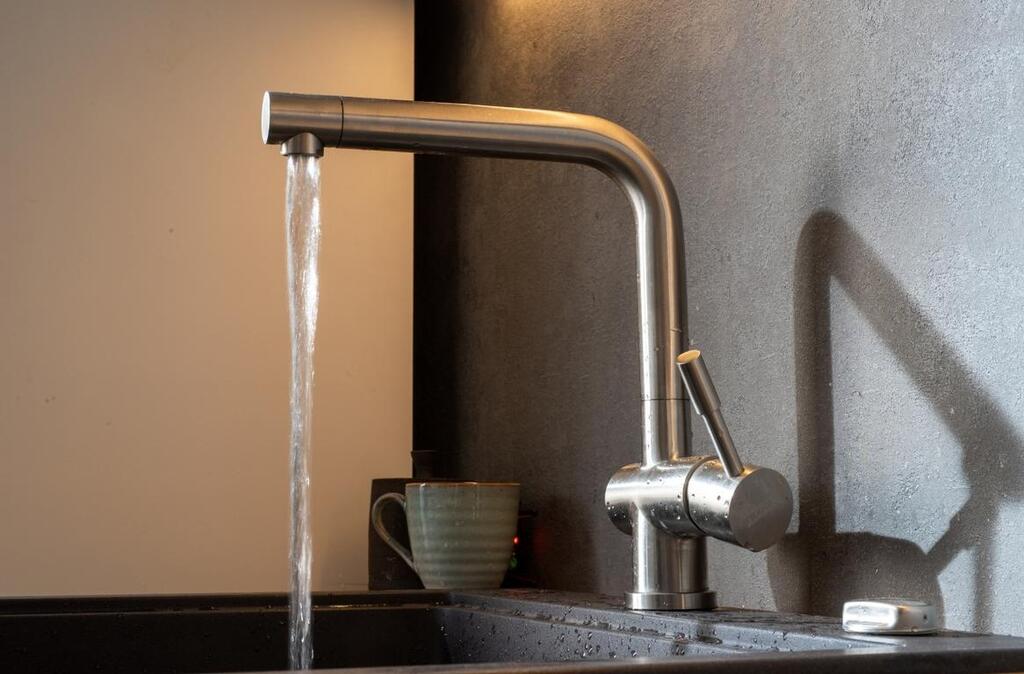
Kitchen Tap Hygiene: How to Clean Your Tap, Remove Limescale and Choose the Right Finish
Your kitchen tap is used throughout the day, from washing vegetables to filling pans and cleaning your hands. Like other frequently touched kitchen surfaces, it can collect dirt, mineral deposits and microorganisms. Learn how to clean your tap safely, maintain its components and decide whether antibacterial or easy-clean features are worth paying for.
Can a Kitchen Tap Really Make You Ill?
A kitchen tap can contribute to cross-contamination if contaminated hands transfer microorganisms to the handle, spout or other surfaces. This can matter when preparing food, particularly when handling raw meat or poultry before touching ready-to-eat foods. However, finding bacteria on a tap does not automatically mean harmful bacteria are present or that the tap is likely to cause illness.
For most households, sensible food-handling practices, thorough handwashing and regular cleaning keep the risk low. Pay particular attention to frequently touched surfaces and clean them promptly after contamination. A tap does not normally require specialist antibacterial treatment to maintain good kitchen hygiene.
Quick Diagnosis: What's Wrong With Your Tap?
Choose the symptom closest to yours for practical guidance on what to check and when to call a plumber.
How Germs Can Spread From Your Kitchen Tap
A kitchen tap is a frequently touched surface. Contamination can occur during food preparation, but the presence of microorganisms does not automatically mean that a tap is unsafe. These are the main ways contamination can occur:
Contaminated hands
Handling raw meat or poultry and then touching a tap handle can transfer microorganisms to the surface. Touching the handle again before handling ready-to-eat food can contribute to cross-contamination.
Splashback
Water splashing against a contaminated sink or surface can spread droplets nearby. Keep food away from dirty sink areas and clean surfaces that become contaminated during preparation.
The aerator
The mesh or insert at the spout can accumulate mineral deposits and debris. Microorganisms may also be present in wet components, but visible scale alone does not establish a health risk.
Pull-out spray heads
Spray heads can collect residue and mineral deposits, especially when they rest in the sink. Clean them according to the manufacturer's instructions and inspect the hose and connections periodically.
The most useful precautions are good handwashing, prompt cleaning after contamination and preventing raw-food juices from reaching ready-to-eat foods. See the Food Standards Agency for food-hygiene guidance.
How to Clean a Kitchen Tap Properly
A weekly clean is a practical routine for many busy kitchens, but the ideal frequency depends on use and visible contamination. Clean the tap promptly after it is contaminated during food preparation. Always follow the manufacturer's instructions for your tap's finish and components.
- Wash the whole tapUse warm water and a small amount of washing-up liquid on a soft cloth. Clean the handle, spout, base and the area where the tap meets the sink.
- Clean the gaps carefullyUse a soft brush or cloth around joints and the handle collar. Avoid sharp tools, abrasive pads and anything that could scratch or damage the finish.
- Inspect the aeratorCheck the spout insert for visible deposits or reduced flow. Remove it only if the manufacturer permits this. Use a compatible descaler as directed, rinse thoroughly and refit it correctly. Vinegar is suitable for some components but can damage certain materials and finishes.
- Clean the pull-out spray headWipe the head and accessible hose with a compatible cleaning solution. Follow the manufacturer's instructions for removing mineral deposits. Do not immerse the head or soak internal components unless expressly permitted.
- Disinfect only when appropriateRoutine detergent cleaning is generally sufficient. If disinfection is warranted following contamination or specific guidance, use a product suitable for the surface, observe its labelled contact time and rinse if instructed.
- Rinse and dryRemove cleaning-product residue as directed and dry the tap with a clean, soft cloth to reduce water spots and mineral marks.
Avoid assuming that cream cleaners are safe for every chrome tap. Abrasives can scratch or dull some finishes, while acids and bleach can damage particular coatings, seals and components. A soft cloth and mild detergent are a sensible starting point for most taps.
The Parts People Forget: Aerators, Spouts and Pull-Out Hoses
Aerator and spout end: Inspect the aerator when you notice reduced flow, visible deposits or when the manufacturer's maintenance schedule recommends it. Clean it using a compatible method. Replace it if it is damaged, cannot be cleaned adequately or continues to cause flow problems. Check the correct replacement size and type before purchasing.
Pull-out hose and spray head: Wipe the spray head regularly and inspect the accessible hose and connections for damage or leaks. A persistent smell or slimy residue warrants inspection, but it does not identify a particular microorganism. Replace a cracked, leaking or deteriorated hose as appropriate.
If you find a leak under the sink, deal with it promptly to limit water damage. See our leaking pipe repair service or sink trap repair service.
Kitchen Tap Materials and Finishes: What's Easiest to Keep Clean?
Many kitchen taps use a brass body with a surface finish, while others are made from stainless steel or different materials. Ease of cleaning depends on the material, the condition and texture of the surface, and the manufacturer's care requirements.
| Material or finish | Practical maintenance | Things to know |
|---|---|---|
| Stainless steel | Generally easy to clean | A smooth, intact surface is durable and straightforward to wipe. Water spots and fingerprints may still show. |
| Chrome-plated brass | Generally easy to clean | A smooth finish is easy to wipe, but abrasive cleaners and pads can scratch or damage the plating. |
| Brushed or matt finishes | Depends on the finish | These finishes can disguise fingerprints, but cleaning requirements vary with their texture and coating. |
| Black, coloured and PVD finishes | Follow the manufacturer's guidance | Durability and chemical resistance vary. Use compatible, non-abrasive products and avoid chemicals prohibited by the manufacturer. |
| Damaged or flaking plating | May be harder to maintain | Pitting, flaking and corrosion can make cleaning difficult. Consider repair or replacement based on the extent of damage and the tap's condition. |
Water hardness varies by local supply area, so check your water supplier's information rather than assuming every property in Northamptonshire has the same water hardness. Where scale is a recurring problem, a simple tap design with fewer ridges and joints can make routine cleaning easier. Choose a finish for durability, ease of maintenance and compatibility with the cleaning products you intend to use.
Antibacterial and Easy-Clean Kitchen Taps: Are They Worth It?
Kitchen taps may be advertised as antibacterial, antimicrobial, easy-clean or anti-limescale. These terms describe different features, and the benefits depend on the specific product and the evidence supporting its claims.
- Antibacterial coatings: Some coatings can inhibit particular microorganisms under specified test conditions. However, results depend on the coating, test method, durability and conditions of use. Reduced bacterial counts do not, by themselves, prove fewer infections in household kitchens. These coatings do not replace cleaning or handwashing.
- Easy-clean aerators: Some designs use flexible silicone nozzles that make mineral deposits easier to remove. This is a practical maintenance feature, particularly where scale builds up frequently.
- Touch-free or sensor taps: These reduce the need to touch a handle and may help limit one route of cross-contamination. They do not prevent all contamination and still require appropriate cleaning and handwashing.
- Pull-out taps: These are convenient for rinsing the sink and washing food. The spray head, hose and connections need routine inspection and cleaning.
- Filtered-water taps: A suitable filter can improve taste or reduce specific contaminants when designed and certified for that purpose. Ordinary taste-and-odour filters do not necessarily remove the minerals responsible for hard water. Check the filter's performance claims and replace cartridges according to the manufacturer's schedule.
For most households, a durable tap with a smooth, easy-to-clean finish, accessible replacement parts and clear maintenance instructions is a sensible choice. Antibacterial properties are an optional feature rather than a proven necessity for preventing household illness. Compare products on build quality, warranty, repairability and the specific benefits you will use.
Is a Dripping Tap Dangerous?
A simple dripping tap is not usually a health hazard. It wastes water and may leave mineral deposits or stains in the basin. A persistent drip can be caused by a worn seal, washer or ceramic cartridge, depending on the design.
A leak under the sink, around the tap base or at a hose connection deserves prompt attention because it can damage cupboards, flooring and nearby materials. A leak does not automatically indicate bacterial contamination, but persistent dampness and water damage should not be ignored. For help, see our water leak repair service.
What About the Water Itself?
Public mains water in the UK is treated, monitored and regulated, and is generally safe to drink. However, water quality at an individual tap can also depend on household plumbing, local supply conditions and whether the property uses a public or private water supply.
Older properties may contain lead pipes or plumbing components that warrant investigation. Lead exposure is a particular concern because it can affect health without producing a noticeable change in taste, smell or appearance. If you suspect lead pipework, contact your water supplier and seek appropriate advice about inspection or testing.
Persistent discolouration, unusual taste or odour, or a sudden change in water quality should not automatically be attributed to limescale or the tap. If several taps are affected or you suspect a supply problem, contact your water supplier. If the issue appears to be within your property's plumbing, arrange a suitable inspection. Do not assume that running the tap or installing a general-purpose filter makes potentially contaminated water safe.
For official information about drinking-water quality and lead pipework in England and Wales, consult the Drinking Water Inspectorate.
When to Call a Plumber
- The tap is loose, unstable or leaking at the base.
- A persistent drip continues despite basic troubleshooting.
- The pull-out hose is cracked, frayed or leaking.
- The finish is flaking, badly pitted or deteriorating.
- You are replacing a worktop or sink and need the tap refitted.
- You want a new standard, sensor, filtered-water or boiling-water tap installed.
- Water is leaking inside the cupboard below the sink.
- You suspect a problem with the property's plumbing or water fittings.
We provide tap installation and repair across Wellingborough, Kettering, Rushden, Northampton, Corby and the surrounding villages. For urgent plumbing issues, visit our emergency plumber page or book an appointment. If you are planning a larger project, ask about our finance options.
For concerns about drinking-water safety, contact your water supplier or an appropriate water-quality professional rather than relying on a tap repair alone.
Kitchen Tap FAQs
A weekly clean is a practical routine for many households. Clean the tap promptly after contamination during food preparation and inspect the aerator when you notice mineral deposits or reduced flow. Follow the manufacturer's maintenance instructions.
Yes. Contaminated hands can transfer microorganisms to a tap handle or spout, potentially contributing to cross-contamination. The presence of bacteria does not automatically mean the tap will cause illness. Good handwashing and appropriate cleaning help reduce the risk.
Some coatings inhibit particular microorganisms under specified conditions, but evidence that they reduce household infections is limited. Consider durability, ease of cleaning, repairability and warranty first. An antibacterial coating does not replace routine cleaning.
It is commonly limescale, a mineral deposit left by hard water. Use a descaler compatible with the tap's material and finish, following the manufacturer's instructions. Vinegar is not suitable for every tap. Never mix vinegar with bleach or other cleaning chemicals.
Often, yes. Suitability depends on the mounting hole, sink and worktop layout, available space underneath, hose routing and any required fittings. A plumber can assess the installation before recommending a suitable model.
No. Limescale is a mineral deposit and does not by itself demonstrate harmful bacterial contamination. Remove it using a compatible cleaning method and investigate persistent changes in water quality separately.
Not necessarily. Filter performance depends on the technology and the contaminants it is designed to reduce. Some systems soften water, while ordinary taste-and-odour filters may not remove the minerals that cause hardness. Check the product's certified performance claims.
Further Guidance and Trusted Sources
For additional information on kitchen hygiene, drinking-water quality and safe plumbing, consult these organisations and the care instructions for your particular tap.
- Food Standards Agency — official food-hygiene and cross-contamination guidance.
- Drinking Water Inspectorate — drinking-water quality, regulation and lead pipework information for England and Wales.
- WaterSafe — information about approved plumbing professionals and safe plumbing work.
- Tap manufacturer care instructions — consult the specific instructions for your tap's finish, aerator, spray head and cleaning products before descaling or disinfecting.
What our customers say about Normz Plumbing
Choosing a plumber is easier when you can read feedback from previous customers. Explore reviews of Normz Plumbing & Heating Services and learn about other customers’ experiences.
EXCELLENTTrustindex verifies that the original source of the review is Google. Easy to book, did a great job of a tricky tap fit.Posted on GoogleTrustindex verifies that the original source of the review is Google. Great service, came out when arranged. Top job sorting a replacement sink and fit for usPosted on GoogleTrustindex verifies that the original source of the review is Google. Amazing same day service… called in a panic as having squeaky floorboards sorted and the pipes popped up above the floor level, ran the whole length of house with off shoots everywhere, carpenter thought it may mean entire new pipework…. Plumber arrived within a couple of hours, quickly found a much cheaper solution, he was so professional and I instantly knew he understood the issue, sorted within an hr, and the bill was extremely reasonable..wouldn’t hesitate to recommend this company … excellent thank youPosted on GoogleTrustindex verifies that the original source of the review is Google. Had a bathroom refurbishment done was a very good job done took about 2 weeks all together everything was gutted out and was kept informed of everything that was happening even in the evening,left the key with them and it was still safe would recommend them for any plumbing issuesPosted on GoogleTrustindex verifies that the original source of the review is Google. Water gushing through the ceiling. Rang them and they came out within 20 minutes by which time we had turned the water off. Not only did he solve the problem. He also gave us some advice, having been into the loft, to make our house warmer in the winter which we appreciated.Posted on GoogleTrustindex verifies that the original source of the review is Google. Extremely helpful. Excellent service on fitting our new shower. Definitely recommend this team.Posted on GoogleTrustindex verifies that the original source of the review is Google. Replaced a leaking shower body assembly. Punctual, polite, efficient, good value and took away the old part for us. Would recommend!Posted on GoogleTrustindex verifies that the original source of the review is Google. Communication was easy via WhatsApp. I got the replacement taps I wanted in my kitchen sink and bathroom sink. On the day, I wasn't sure when the plumber was coming but when her did come the work was done quickly and neatly.Posted on GoogleTrustindex verifies that the original source of the review is Google. Amazing!! Our bathroom has been fitted to a high standard. The team never regarded anything as a problem—every issue was met with a practical solution. The guys were a pleasure to deal with and we wouldn't hesitate to recommend them to anyone wanting a polite, efficient, and professional team doing any works. Very happy!!Verified by TrustindexTrustindex verified badge is the Universal Symbol of Trust. Only the greatest companies can get the verified badge who has a review score above 4.5, based on customer reviews over the past 12 months. Read more
Tap Still Dripping, Scaled Up or Past Its Best? Call Normz
If cleaning and descaling didn't fix it, or you'd rather not wrestle with fittings under the sink, call Normz Plumbing & Heating Services. We repair and replace kitchen taps, including pull-out models, for homes across Wellingborough, Rushden, Kettering, Northampton, Corby and the surrounding villages, with a fixed-price quote before we start.